The Literacy Crisis, part 1 of 3
Why Literacy Matters
Literacy decides what kind of childhood, and what kind of life, a child gets to have.
Reading is the skill every other kind of learning depends on. When it falls, the costs show up in a child’s grades, their wellbeing and their future, and years later in our economy and communities. Right now, reading is falling faster than at any point on record.
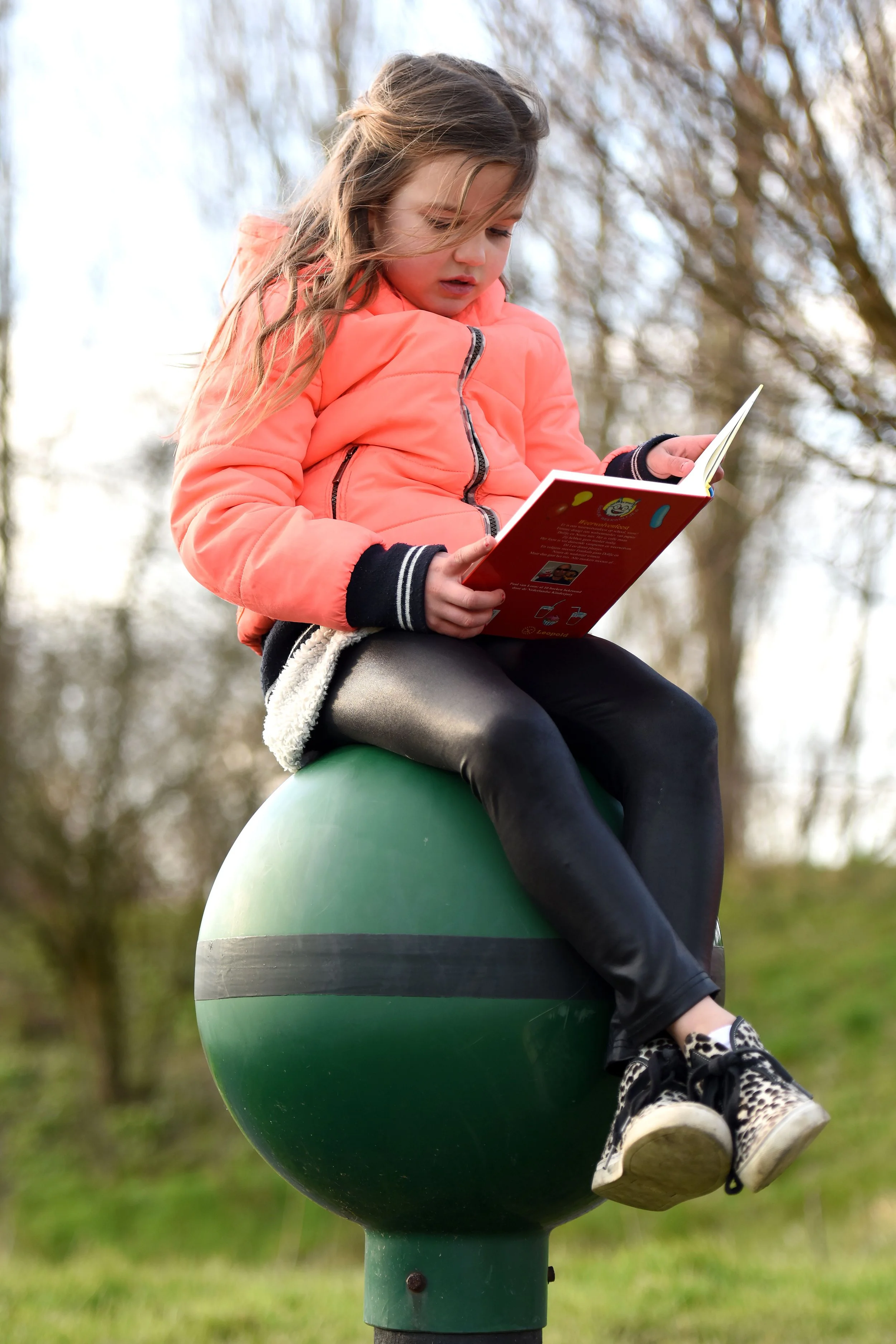
Four ways literacy shapes a child's future
Tap any card to read more.
01
It unlocks learning
Every subject
Math, science, history and the arts all run on reading comprehension.
Read moreShow less
Reading is the gateway to learning in every subject: math, science, social studies, visual and performing arts, world languages, computer science, career readiness and life skills all require strong reading comprehension to be proficient.
The gap compounds. Strong readers keep building knowledge in every subject, while struggling readers fall behind in all of them.
02
It protects wellbeing
Less stress
Reading for pleasure is linked to calmer, better-rested teenagers.
Read moreShow less
Children who struggle to read show higher anxiety and depression than their peers, along with lower self-esteem, more bullying and more school avoidance. The feeling of being “bad at reading” follows a child into every class.
Reading for pleasure works the other way: less stress, better attention, less screen time and more sleep as teenagers.
03
It keeps students in school
4× more likely
to leave school without a diploma if not reading proficiently by third grade.
Read moreShow less
Children who aren’t reading proficiently by third grade, largely a result of poverty and reduced access to books, are four times more likely to leave school without a diploma.
Teenagers with low literacy are also more likely to enter the juvenile justice system, and to struggle after they leave it.
04
It prepares them for the future
Only 35%
of twelfth graders are estimated to be academically prepared for college reading.
Read moreShow less
College requires reading skills strong enough to handle coursework without remediation. Students without those skills are at higher risk of not finishing, which significantly affects their future job prospects.
Only an estimated 35% of twelfth grade students have the reading knowledge and skills that would make them academically prepared for college.
The costs follow them into adulthood
These are the same children years later. The costs show up in their paychecks, their health and our communities.
of U.S. adults read below a sixth-grade level, about 130 million people.
average earnings at the lowest literacy levels compared with minimum proficiency.
lost to the U.S. economy each year, roughly 10% of GDP.
in annual U.S. health care costs tied to low adult literacy.
Where reading stands today
points in U.S. reading on the 2025 OECD PISA since 2022, the equivalent of more than a year of learning and the lowest scores ever recorded. The decline began well before the pandemic.
Fourth grade
NATIONALLY · NAEP 2024
NEW JERSEY
Eighth grade
NATIONALLY · NAEP 2024
NEW JERSEY
High school
NATIONALLY · 12TH GRADE, NAEP 2024
NEW JERSEY · 9TH GRADE
In 2024, the national average reading score was lower than in 2022 and 2019. In all three grades, the lowest-performing students now score below where they did on the very first NAEP assessment in 1992. New Jersey results are NAEP 2024 and the state test (NJSLA) for 2024–25; the two tests measure different things, so compare within a test.
The question is not whether New Jersey invests in education. It does.
The question is whether it’s investing in the right things, and whether every child is getting the benefit.
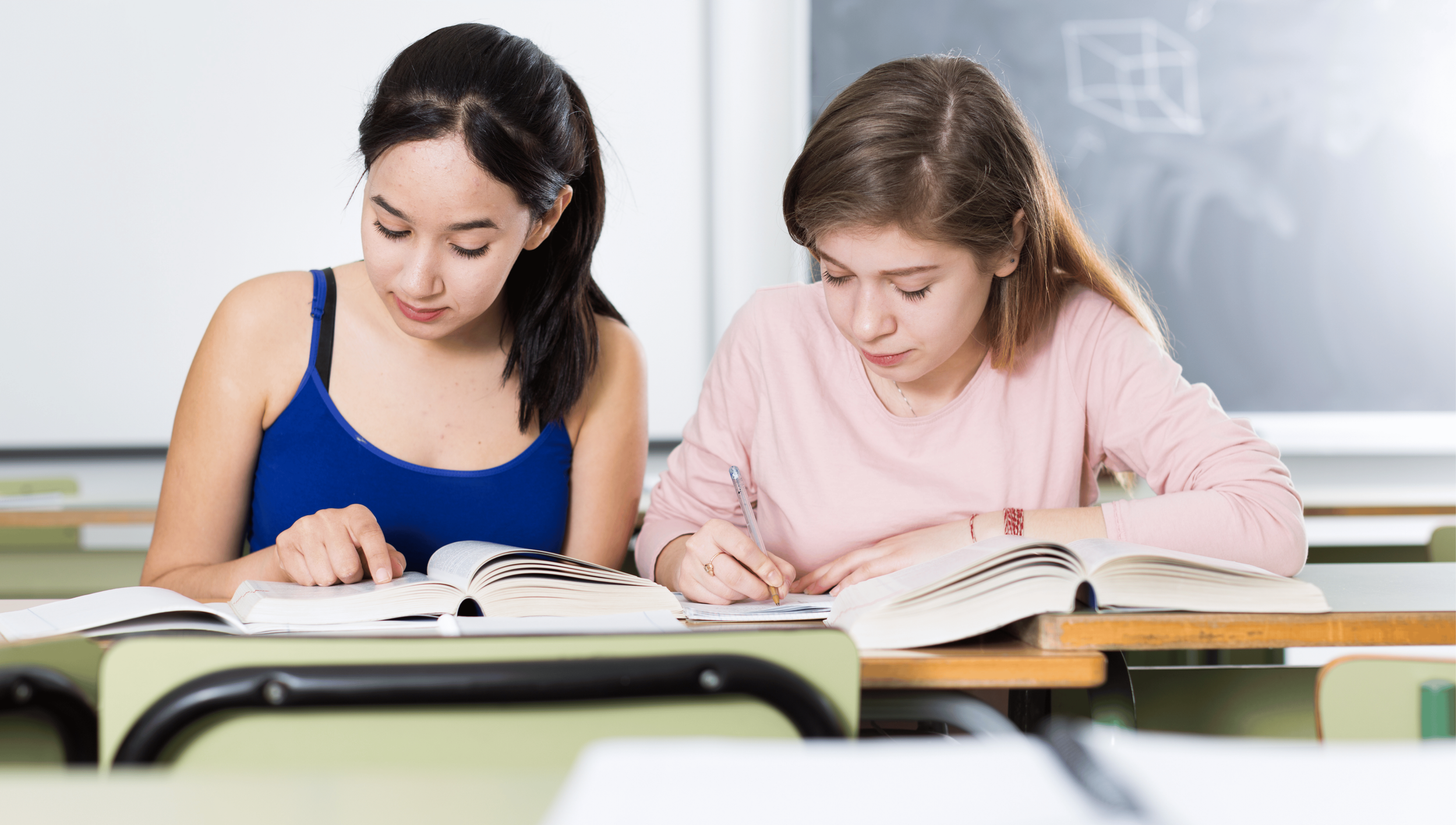
So what do students need to become strong readers?
The decline in literacy is accelerating at exactly the moment students are being asked to navigate increasingly complex information.
What supported literacy looks likeEvery figure on this page is sourced at schoolsneedlibrarians.com/sources.